

Continuing with the theme that many motorcycle riders can’t stop, here’s some more research.
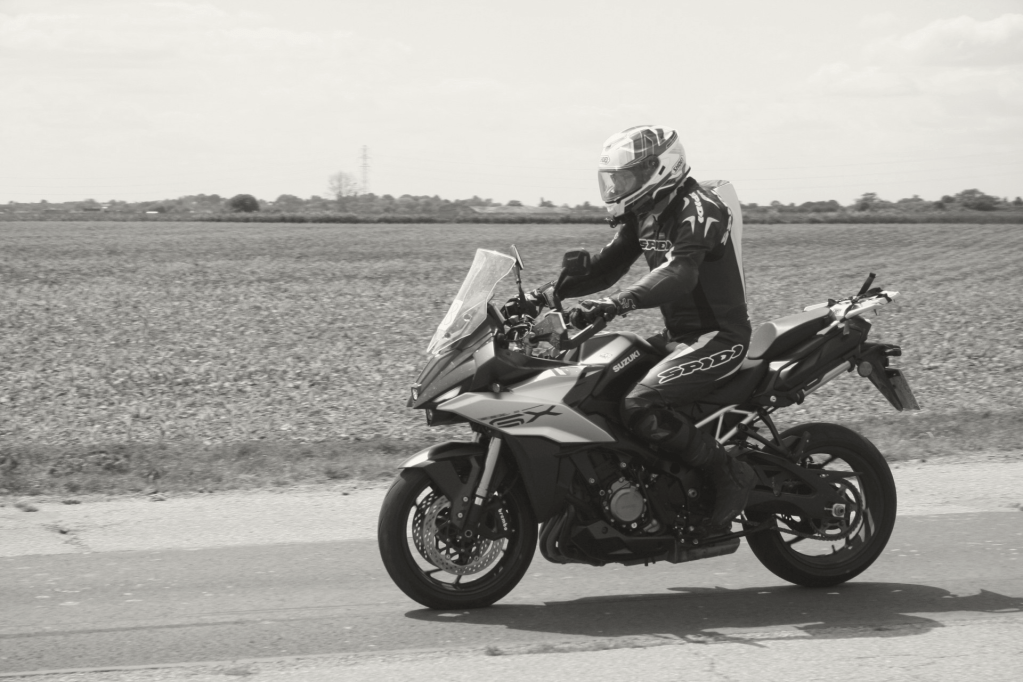
There are significant differences between machines dependent on the braking system fitted.
1. No rider braking aids
2. CBS. Combined Braking System – rear brake applies front brake – usually 50%. (Can also mean that the front brake operates the rear brake as well maintained for stability)
3. Independent ABS
4. Integrated ABS
5. CBS + either ABS system.
ABS was compulsory from 2016, with CBS an alternative for A1 125 cc machines.
(Early ABS systems don’t have tilt control etc so riders can still ‘capsize’ and skid when braking in corners).
The greatest effect of most CBS systems is the effectiveness of applying the rear brake goes from 51% to 70% of braking.
Independent ABS on its own makes no difference, but integrated ABS allows the rear brake alone to provide the highest rate of braking at 121% (of the braking provided by locked tyres). Adding CBS to integrated ABS makes it worse – back to 75%?
Do you know which system is fitted to your motorcycle?
Are you aware of the differences?
In emergencies, if you have your foot covering the rear brake and apply it immediately (which is against DVSA advice), you should stop in a shorter distance as your reaction time is far shorter.
If your bike has an integrated ABS system, this is even more effective as it doubles your rate of deacceleration while you shut the throttle and reach for the front brake lever.
The difference from 60 mph can be a reduction in impact speed of 15 mph or more, or best case stopping in time or a 40 mph impact.
I’m trying to get the DVSA advice changed, which simply looks historical.
This is 15 year old research, so newer systems may perform differently.
Citation: Anderson, B., Baxter, A., and Robar, N., “Comparison of Motorcycle Braking System Effectiveness,” SAE Technical Paper 2010-01-0072

