

Press Release
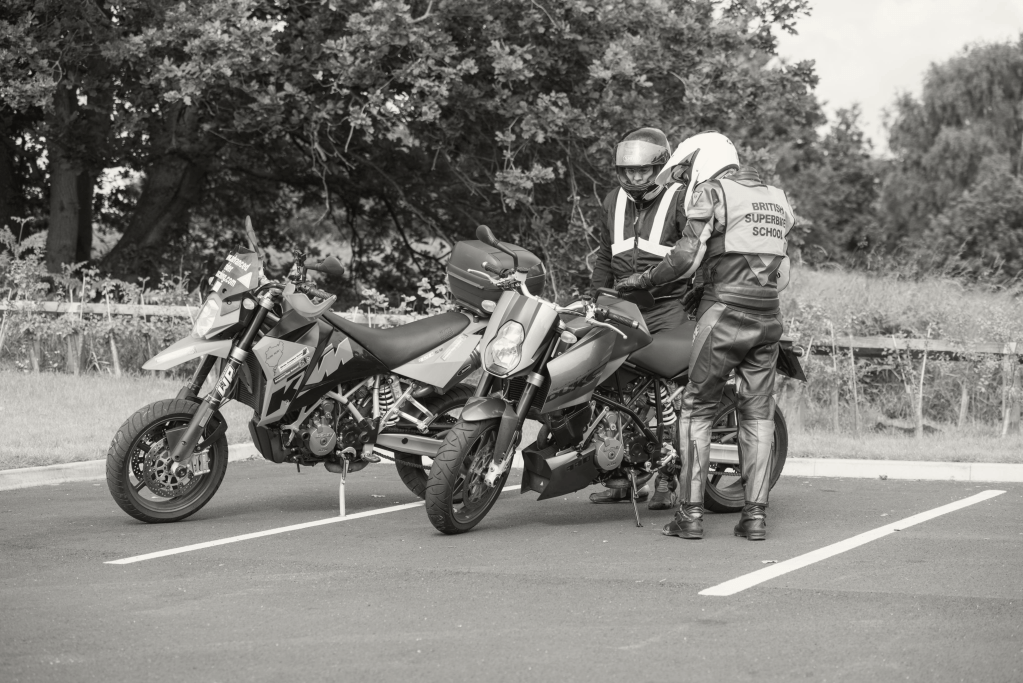
The MCIA ‘Elite’ training provider and ACU-accredited British Superbike School (BSS), is launching a new national on-road coaching scheme delivered exclusively by professional DVSA licenced Post-Test Trainers.
The new training has been launched in direct response to recent reports by Agilisys for National Highways and others, which couldn’t identify any benefits from the current provision of ‘advanced’ training programmes. Instead, they found higher speeds, different crashes, and a greater tendency for riders to blame others, and to drop the bike.
The problem is that ‘advanced’ driving has been based on Police Roadcraft originating from the 1930’s, with motorcycles added in the 1970’s, and is often blighted by the focus on ‘making good progress’ via the passing on of unwritten hazardous ‘emergency response’ and ‘pursuit’ practices. It fails to understand that Police riders are carefully selected, intensively and continually trained, and ride 100’s of miles most days at high speed on a marked bike. This doesn’t fit civilian riders, who should never be in a hurry.
We now have the DVSA who are responsible for training and testing.
According to the Dft, motorcycle safety has not improved for over a decade. The latest figures show fatalities up by 13%. This is despite ABS being compulsory since 2016 and the new ARAS (Advanced Rider Assistance Systems). Over 2 years ago the MCIA’s CEO, Tony Campbell, quoted – “the definition of insanity is doing the same things over and over again, but expecting different results.”
The BSS’s new training scheme is based on solid science from Cossalter’s ‘Motorcycle Dynamics’, DVSA and Roadcraft standards, research, data, and coaching experience acquired over 17 years. It focuses on ‘machine control’, which breeds confidence, as panic is probably the common root cause of most collisions.
Once riders know how bikes really work, how best to corner and brake, how to react in an emergency, and have practised, maintaining control suddenly becomes a whole lot easier.
The training addresses common rider shortcomings and needs, identified by international research and from data supplied by the DVSA, collected via their ‘Enhanced Rider Scheme’.
It also draws on knowledge from KurvX data logging, revealing rider shortcomings, particularly high-speed emergency braking, which has not been consistently taught and is rarely practised, is not part of the licence test and has been bypassed by most ‘advanced’ training.
‘Attitude’ has also been found to play a big part, reinforced following a workshop with MIRA test riders last year. ‘Behaviour’, is determined by ‘Attitude’, but takes time for any changes to materialise. This is already embedded in the DVSA aspects of the training.
The 17 years of coaching experience have been acquired by training Blood and Fire Bike riders, Journalists, Test Riders and specialist Police Riders. Much has been on-track, where root causes of ‘Loss of Control’ have been examined and addressed. Research and testing are continuing in partnership with Cardiff University.
In short, the new BSS training intends to instigate a fundamental refocusing of old ‘advanced’ training practices onto addressing the root causes of collisions – panic and a loss of control – away from ‘clever’ riding towards ‘common sense’.
Coaches assess your riding and hazard identification (via radio, which is mandatory for safety reasons), correct your responses, build your confidence, improve your level of control, aiming to become the voice you hear when they’re no longer there.
ENDS
Image attached.
For further information contact Mike Abbott at British Superbike School
07939 041606
mike@britishsuperbikeschool.co.uk

